Performance Reviews Without the Headache: A Small Business Guide
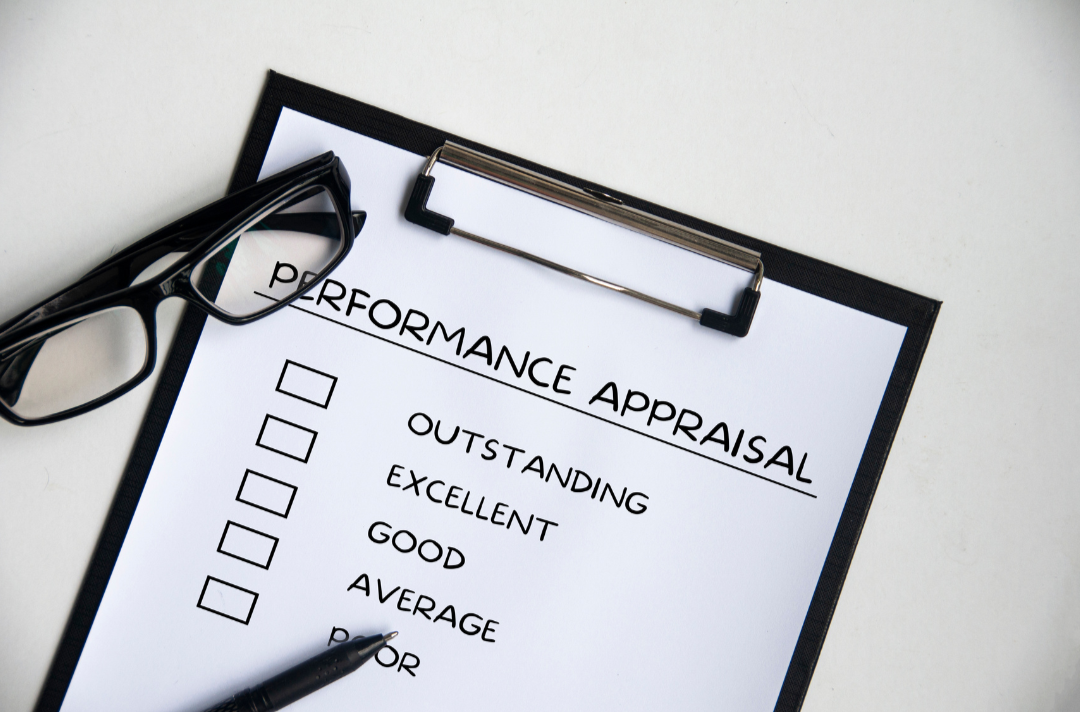
For many small business owners, performance reviews feel awkward, time-consuming, or unnecessary. With small teams, it is easy to think, “We talk all the time. Do we really need formal reviews?”
The answer is yes, but not the kind you are probably picturing.
Performance reviews do not need lengthy forms, rigid scoring systems, or uncomfortable conversations. When done simply and consistently, they provide clarity, reduce misunderstandings, and help employees perform better without adding stress for business owners.
Start With a Simple, Repeatable Structure
A strong review process focuses on five core areas:
Feedback from the employee
What the employee is doing well
Where improvement is needed
Goals for the next review period
How can the company support the employee going forward
This structure keeps conversations focused and productive. Using the same format for every employee also promotes fairness and consistency, which is especially important for small teams.
Eliminate Surprises by Giving Ongoing Feedback
A performance review should not be the first time an employee hears about a concern.
To avoid uncomfortable or defensive conversations:
Address issues as they arise, not months later
Provide informal feedback throughout the year
Use reviews to summarize performance patterns, not introduce problems
When employees know where they stand, reviews become confirmation, not confrontation.
Balance Accountability With Recognition
Performance reviews should not feel like a list of shortcomings.
Employees need clear feedback, but they also need to know their contributions are seen and valued. Effective reviews include specific examples of strong performance and clear guidance on how to improve, not vague criticism
Balanced feedback builds trust and increases engagement.
Set Clear, Achievable Goals
Reviews should look forward, not just backward. Each review should result in clear goals that are:
Specific and measurable
Directly tied to the employee’s role
Realistic within a defined timeframe
For example, instead of “improve communication,” clarify what success looks like: expected response times, participation in meetings. Clear goals help employees stay focused and accountable.
Document the Conversation and Follow Up
Even informal reviews should be documented, as documentation creates clarity for both parties, supports future performance or compensation decisions, and helps protect the business if issues escalate. Equally important, schedule a follow-up check-in. Reviews should not be a once-a-year event; they should be part of an ongoing conversation about performance and growth.
Performance Reviews Are a Leadership Tool
When handled correctly, performance reviews are not a headache. They are a growth strategy that helps employees understand expectations, supports management decisions, and creates stronger, more accountable teams.
Need help building a simple, compliant performance review process that works for your business? Strategic HR Advisory provides practical HR guidance and tools to make performance management clear, fair, and stress-free. Connect with Strategic HR Advisory today and take the headache out of reviews.